Casting Processes for Bronze Bushings and Wear Parts
The right bronze component starts with a suitable casting blank. JEDBUSHING uses four casting capabilities to support custom bushings, sleeves, rings and other copper alloy wear parts.
We review the drawing, alloy, part geometry and required finish before confirming a manufacturing route. Parts can be supplied as cast blanks or machined components according to the agreed requirements.

Four Casting Capabilities
Our two centrifugal casting setups produce hollow cylindrical blanks. Horizontal continuous casting produces long sections for cutting and machining. Vertical permanent mold casting offers another route for selected shaped components.
Cantilever Centrifugal Casting
Roller-Supported Centrifugal Casting
Horizontal Continuous Casting
Vertical Permanent Mold Casting
Two Centrifugal Casting Setups
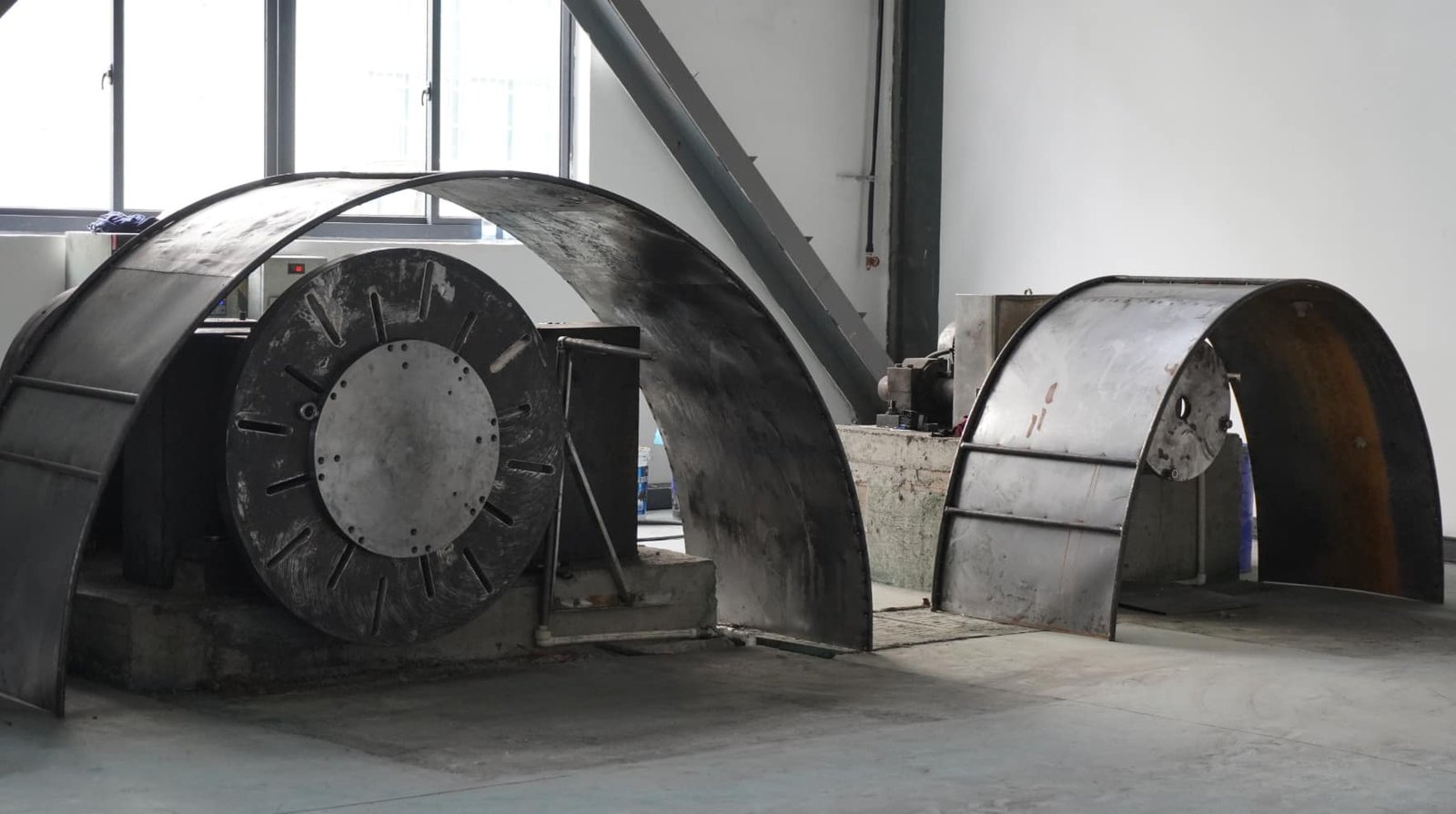
In both setups, molten bronze enters a rotating mold and forms a hollow cylindrical blank. The difference is how the mold is supported. This gives us two ways to review cylindrical parts with different proportions. The finished dimensions and details are established during subsequent machining.

Cantilever Centrifugal Casting
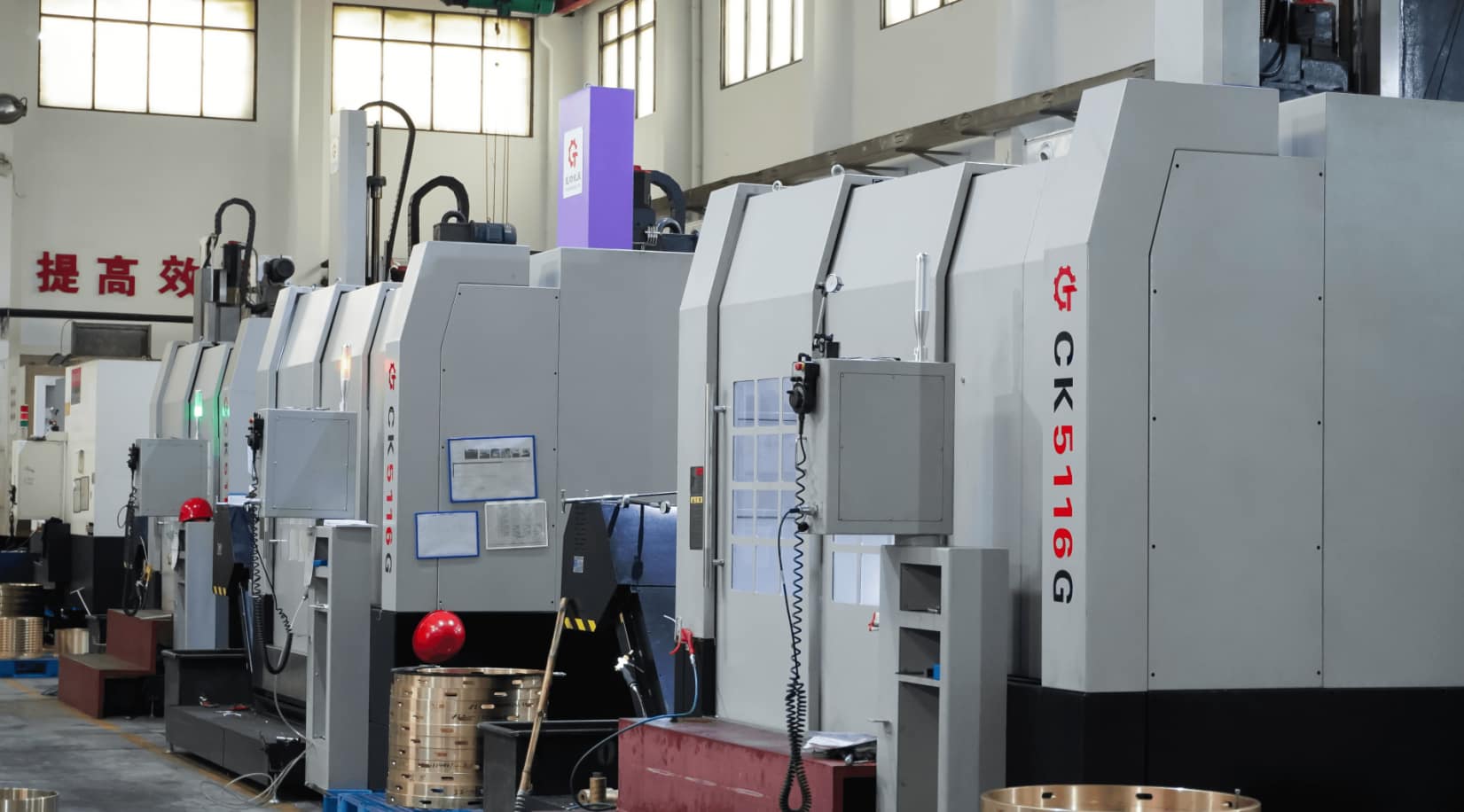
This setup can be considered for bronze rings, relatively short sleeves and other hollow round blanks. After casting, the blank may be bored, turned, faced or machined with a flange or groove according to the drawing.
Explore custom bronze parts and flanged bronze bushings.
Roller-Supported Centrifugal Casting
Here, the rotating mold is supported by rollers. This arrangement can be considered when a cylindrical blank has a longer form. The casting can then be machined into a sleeve, bushing or other round bearing component.
Explore custom bronze parts and tin bronze bushings.
Horizontal Continuous Casting
Horizontal continuous casting forms a long bronze section as metal solidifies and is withdrawn through a mold. It is particularly relevant when the required starting material is a tube or hollow bar with a consistent cross-section.
The material can be supplied as a semi-finished blank or cut and machined into a finished component. The available section, alloy, quantity and finished dimensions must be reviewed together.
Vertical Permanent Mold Casting
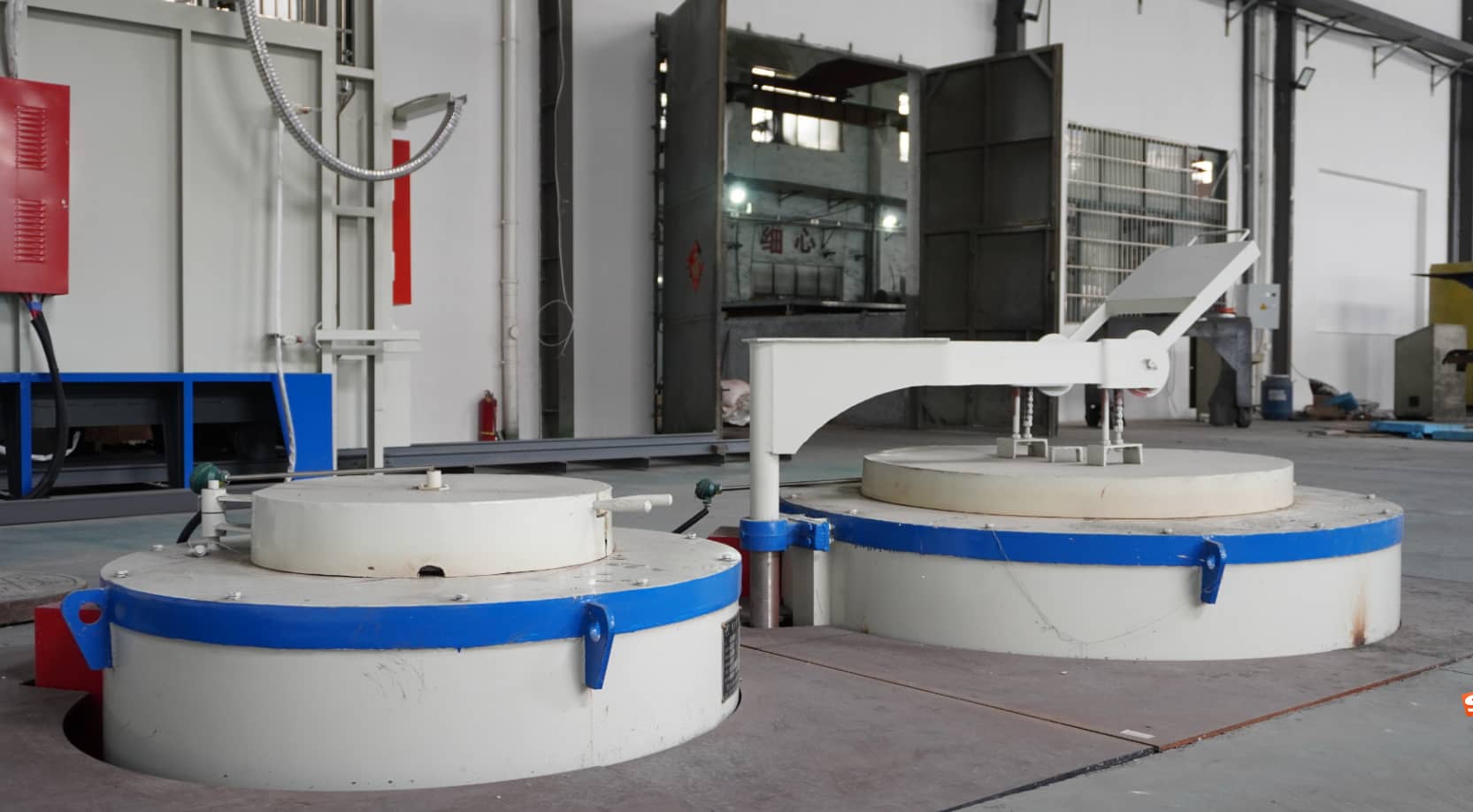
Vertical permanent mold casting uses a reusable metal mold to form a bronze blank. It provides another manufacturing option when the part geometry is better reviewed as a shaped casting rather than a hollow cylindrical blank or a section cut from a continuous tube.
The route depends on the drawing, alloy, quantity and machining requirements. Casting a shaped blank does not remove the need to machine critical fitting or sliding surfaces when the drawing requires them.

Quality Assurance and Project Support
JEDBUSHING can provide certificate documents, inspection support, part marking, and export packing for custom hydraulic bronze bushings and machined copper alloy parts when required by the order.
| Support Item | Details |
|---|---|
| Project Certificates | ASME, Pressure Vessel Certificate, and CCS certificate support. |
| ISO Certificates | ISO 9001:2015, ISO 14001:2015, and ISO 45001:2018 certificates are available. |
| NDT Personnel Certificates | UT, PT, and VT inspection personnel certificates can support quality-related requirements. |
| CMM Inspection | Two Large CMM can be used for dimensional inspection of large machined parts when required. |
| Marking and Export Packing | Part marking, item number labeling, separate packing, product photos, and export packaging can be confirmed before shipment. |


Send Us Your Bronze Part Drawing
Need a custom bronze bushing, sleeve, ring or shaped wear part? Send us your drawing and tell us whether you need a rough casting, a semi-finished blank or a machined component.
Please include the alloy specification if available, quantity, key dimensions and any critical inspection requirements. If the casting route is not specified, we can review the available options before quotation.